Dive Watch Water Resistance Explained: What 200m Really Means
Can you swim with a 30m watch? What does ISO 6425 mean? We decode water resistance ratings so you know exactly what your watch can handle.
Few watch specs are more misunderstood than water resistance. A “30m” watch is not safe at 30 meters underwater, and “200m” means more than just a bigger number. Here’s what the ratings actually mean.
Why the numbers mislead
Water resistance is tested under static lab pressure, not real-world swimming, where movement, temperature changes and water jets all add stress. That’s why the industry rule of thumb is conservative:
| Rating | Realistically safe for |
|---|---|
| 30m (3 ATM) | Splashes, rain — not swimming |
| 50m (5 ATM) | Light swimming, showering with care |
| 100m (10 ATM) | Swimming, snorkeling |
| 200m (20 ATM) | Recreational scuba diving |
| 300m+ | Serious / saturation diving |
So a 30m “water resistant” watch is really just splash-proof. Don’t swim with it.
What makes a real dive watch: ISO 6425
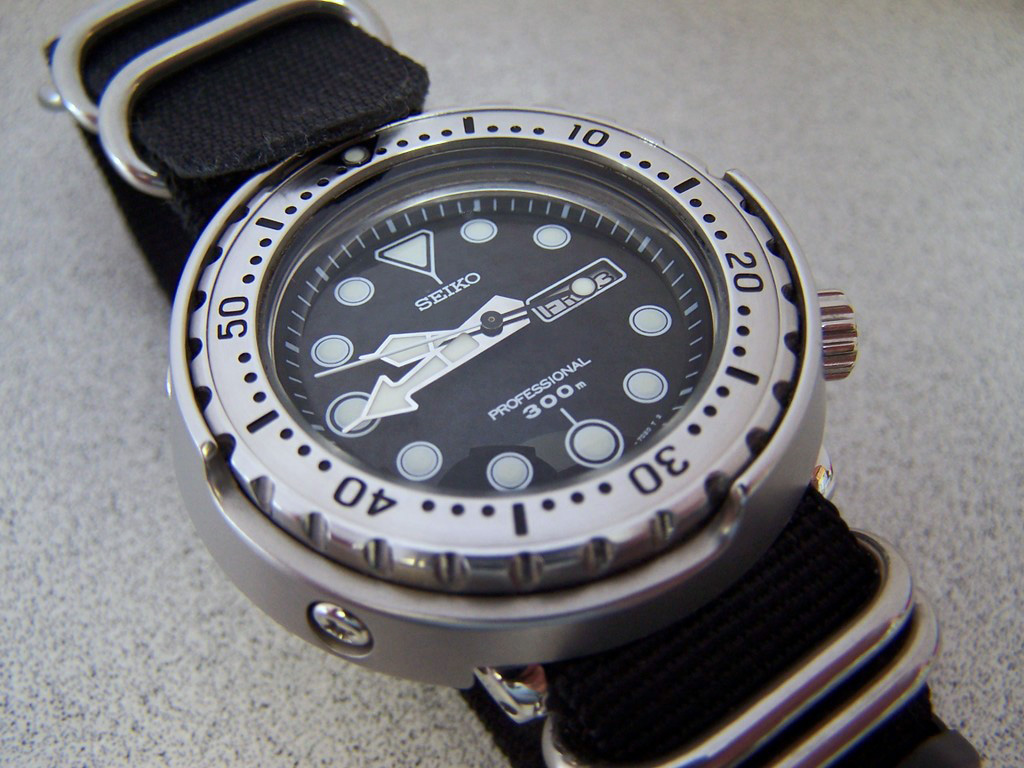
A true dive watch isn’t just about depth rating — it must meet ISO 6425, which requires:
- A unidirectional rotating bezel to track elapsed time.
- Strong legibility and lume in the dark.
- A screw-down crown and robust case sealing.
- Resistance to shock, magnetism, salt water and temperature change.
Watches that pass are often marked “DIVER’S 200M” rather than just “200m water resistant.” That wording matters.
Care tips that actually help
- Never operate the crown underwater, and make sure screw-down crowns are fully closed before contact with water.
- Rinse with fresh water after swimming, especially in salt water or chlorine.
- Get the gaskets tested periodically — seals dry out and water resistance degrades over time, regardless of the printed rating.
The bottom line
Treat water resistance as a guideline, not a guarantee. If you actually want to swim or dive, buy at least 100–200m and look for that ISO-rated “DIVER’S” marking — then keep the crown closed and the seals fresh.