How to Spot a Fake Seiko: A Buyer's Guide
Counterfeit Seikos are everywhere online. Learn the telltale signs — movement, dial printing, serial numbers and price — to buy with confidence.

Seiko’s popularity makes it a prime target for counterfeiters, especially on marketplaces and social media. The good news: most fakes give themselves away if you know where to look. Here’s how to buy with confidence.
1. The price is the first clue
If a “brand-new Seiko Prospex” is a fraction of its normal price, assume it’s fake or stolen. Real deals exist, but prices that seem too good to be true almost always are.
2. Check the movement
Many fakes hide cheap movements behind a Seiko dial. If the watch is an automatic, the seconds hand should sweep smoothly; a ticking “automatic” is a red flag. Where there’s a display caseback, the movement should carry correct Seiko markings and finishing.
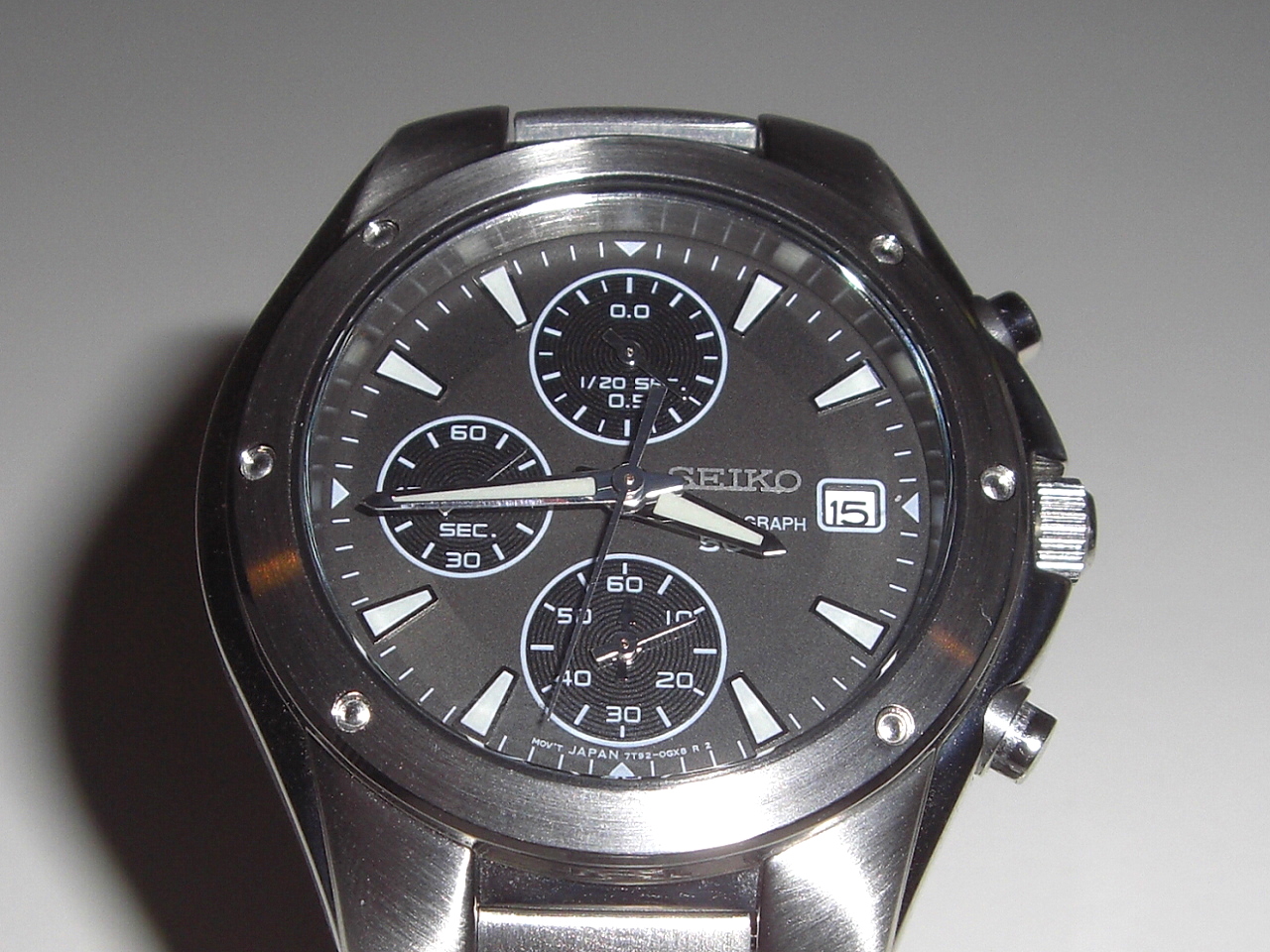
3. Inspect dial and date printing
Authentic Seiko printing is crisp and perfectly aligned. Look for:
- Fuzzy or uneven text, especially the “Seiko” logo and “Prospex”/“Presage” lines.
- A misaligned or poorly-framed date wheel.
- Lume that looks painted-on or applied sloppily.
4. Verify serials and references
Genuine Seikos have a serial number and a model/reference (e.g. SRPE on the caseback). Cross-check the reference against Seiko’s catalog and confirm the caseback engraving is clean and consistent — fakes often have shallow, gritty engraving.
5. Buy from the right places
- Authorized dealers and Seiko’s official channels are safest.
- On the used market, favor sellers with strong histories, detailed real photos (not stock images), and box/papers where applicable.
- Use buyer-protected payment methods.
The bottom line
Counterfeit Seikos are common but beatable. Mind the price, watch the seconds hand, scrutinize the printing, verify the reference, and buy from reputable sellers. A little diligence keeps your money — and your wrist — on the real thing.