Watch Strap Guide: NATO, Oyster, Jubilee, Rubber & Leather
The right strap transforms a watch. Here's a plain-English guide to NATO, Oyster, Jubilee, rubber and leather straps — and which suits your watch.

Swapping the strap is the cheapest way to completely change a watch — and one of the most fun parts of the hobby. Here’s a quick guide to the main options and when to reach for each.
NATO & seatbelt straps
A NATO is a one-piece nylon strap that passes under the watch, so it stays on your wrist even if a spring bar fails. Casual, tough, cheap and endlessly colorful — perfect for divers and field watches. “Seatbelt” NATOs use a smoother, woven nylon for a dressier feel.
Oyster & Jubilee bracelets
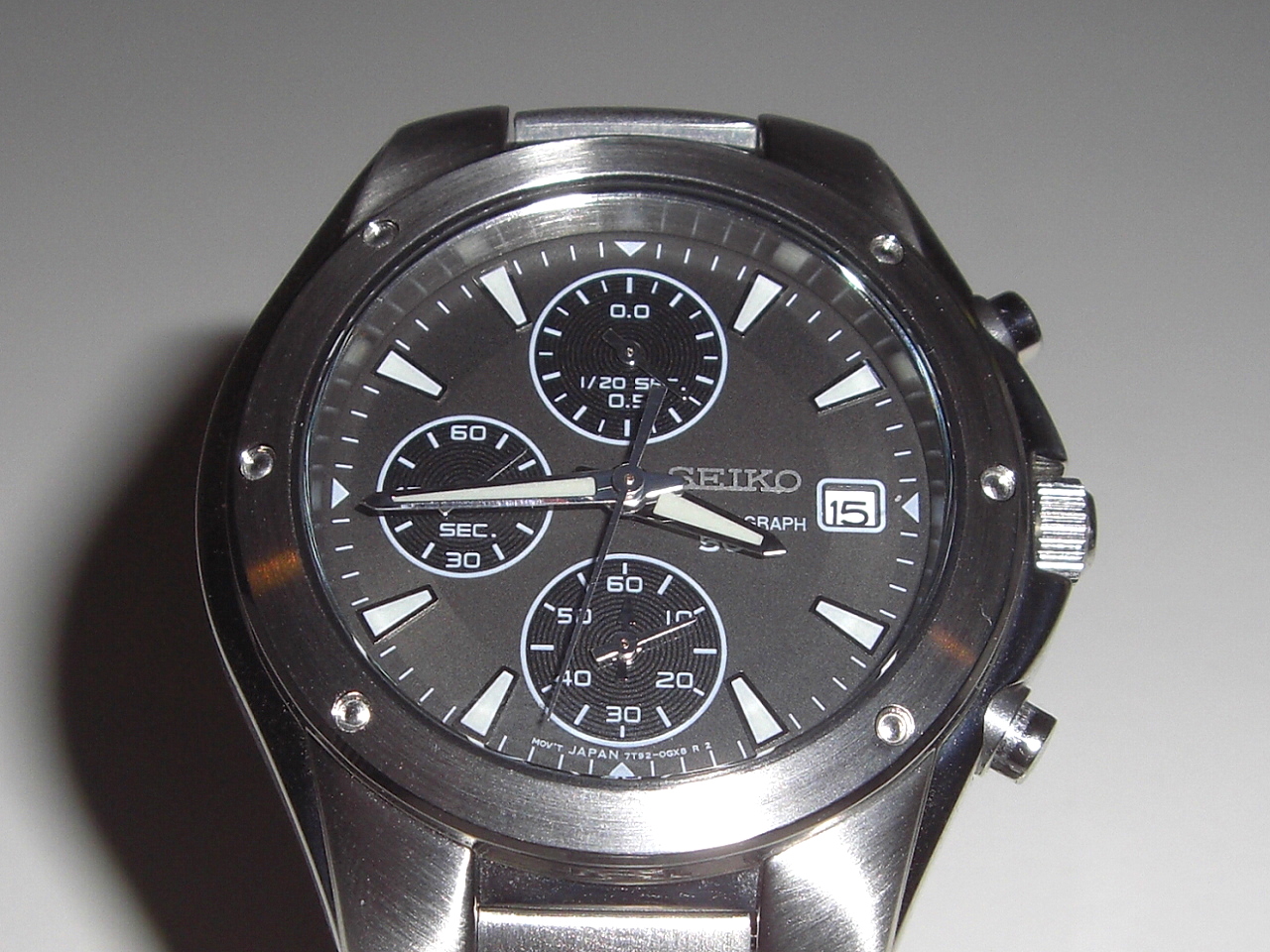
Both are metal bracelets, usually steel:
- Oyster — three-link, flat and sporty. The default for tool watches and divers.
- Jubilee — five-link, more refined and comfortable, with a dressier “jewelry” feel.
Rubber & silicone
Rubber straps are the practical choice for divers and summer — waterproof, comfortable and easy to clean. Modern FKM rubber feels premium and resists cracking.
Leather
Leather dresses a watch up instantly. It’s the classic dress-watch choice, but keep it away from water. A simple leather swap turns a budget automatic into something that looks far pricier.
Getting the fit right
Check your watch’s lug width (the gap between the lugs, e.g. 20mm or 22mm) — that’s the strap size you need. Quick-release spring bars make swapping tool-free.
The bottom line
One watch can be a sporty NATO diver, a dressy leather piece and a refined bracelet watch — just by changing straps. Match the strap to the occasion, mind the lug width, and have fun experimenting.